

Strategic Environmental Leadership
Strategic Environmental Leadership: A Guide to ISO 14001 Standards
Modern industry demands more than mere production; it requires ecological stewardship. Businesses today operate under the microscope of global regulators, conscious consumers, and investors. Navigating these expectations requires a structured, scientific approach to sustainability. The International Organization for Standardization provides this through its Environmental Management System (EMS) framework. Obtaining ISO 14001 Certification validates an organization’s commitment to minimizing its ecological footprint. This achievement moves environmental policy from a secondary concern to a primary business driver. Global Standards assists organizations in this transition. Our lead auditors carry CQI IRCA approved certifications, ensuring your business receives expert guidance during the implementation process.
Defining the EMS Framework
An effective EMS functions through the Plan-Do-Check-Act (PDCA) model. This cycle prevents stagnation and forces continuous progress. Leadership must understand the specific clauses that govern this system to achieve true compliance.
Organizational Context and Scope
No company exists in isolation. The standard requires leaders to identify every internal and external factor affecting their environmental goals. You must analyze the needs of local communities, government bodies, and shareholders. This analysis determines the scope of your EMS. You decide which facilities, products, and activities the system will manage.
Leadership Accountability
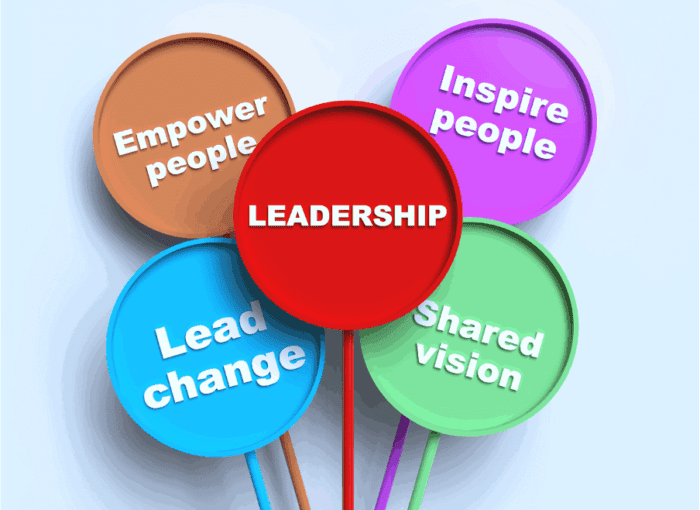
Environmental success starts at the top. Senior management must take full responsibility for the EMS. They do not simply sign off on policies; they integrate environmental objectives into the company’s strategic plan. Leadership provides the necessary financial and human resources. They communicate the value of the system to every employee, fostering a culture of shared responsibility.
Rigorous Planning
Planning involves the identification of “environmental aspects.” These include any activity—such as chemical handling, energy consumption, or waste disposal—that interacts with the natural world. Managers then determine which aspects create a “significant impact.”
Planning also involves a deep review of legal requirements. You must catalog every regulation applicable to your specific industry. From this data, you set measurable environmental targets. These objectives must remain realistic and trackable.
Support and Operational Control
A strategic plan requires a solid foundation of support. ISO 14001 places heavy emphasis on the human and technical resources necessary for success.
- Competence: Every staff member requires the proper skills. If an employee handles hazardous materials, they must possess the training to prevent spills.
- Awareness: Workers must understand how their daily tasks influence the company’s environmental performance.
- Communication: Organizations must establish clear channels for internal reporting and external transparency.
- Documentation: While the standard avoids excessive bureaucracy, it requires proof. You must maintain records of training, audits, and management decisions.
Implementation of Controls
This phase puts the plan into motion. You implement specific protocols to manage your significant environmental impacts. This might involve installing advanced filtration systems, optimizing logistics to reduce carbon emissions, or redesigning packaging to eliminate plastic. Emergency preparedness also falls under this category. Your team must have a tested plan for responding to industrial accidents or natural disasters. Pursuing ISO 14001 Certification forces an organization to prove these controls function under pressure.
Evaluation and Systematic Improvement
Measurement drives progress. The “Check” phase of the cycle involves the constant monitoring of environmental metrics.
The Internal Audit Process
Regular internal audits catch weaknesses before they cause environmental harm or legal trouble. These audits verify that your system aligns with both the ISO standard and your own internal policies. Global Standards provides high-level support during these evaluations. Our CQI IRCA approved lead auditors offer the technical depth required to spot non-conformities that internal teams might overlook.
Management Review and Action
Top-tier management must review the system’s performance at set intervals. They analyze audit findings, progress toward goals, and changing market conditions. This review results in a list of necessary changes. When a problem arises, the organization must perform a root-cause analysis. You do not just fix the symptom; you change the process to prevent a recurrence. This cycle of improvement remains a core requirement for maintaining ISO 14001 Certification.
The Business Value of Environmental Systems
Decision-makers often weigh the costs of implementation against the benefits. A certified EMS offers tangible returns on investment.
| Advantage | Business Impact |
| Resource Efficiency | Lower energy consumption and waste reduction decrease overhead. |
| Risk Mitigation | Systematic compliance reduces the likelihood of environmental fines. |
| Supply Chain Access | Global partners often require this specific certification for vendors. |
| Brand Equity | Proven sustainability attracts environmentally conscious customers. |
| Operational Clarity | Standardized processes reduce confusion and improve safety. |
The Path to Compliance with Global Standards
The journey toward international recognition involves distinct phases. Understanding these steps removes the mystery from the process.
- Baseline Assessment: We evaluate your current operations against the standard. This identifies the gaps you must fill.
- System Design: You develop the documentation and physical controls required by the framework.
- Staff Engagement: We help train your team to ensure everyone understands their new responsibilities.
- Pre-Assessment Audit: Our lead auditors perform a comprehensive review to ensure your readiness.
- Final Certification Audit: An independent body verifies your system and issues your certificate.
Global Standards serves as a dedicated partner throughout this timeline. Our expertise ensures your documentation meets the highest professional standards. We help you translate complex requirements into actionable business steps. Achieving ISO 14001 Certification becomes a manageable goal when you utilize a team with deep industry knowledge and CQI IRCA approved credentials.
Best Practices for Sustainable Success
Avoid viewing the EMS as a standalone project. Integrate it into your existing management systems. If you use ISO 9001 for quality, use the same core structure for your environmental goals. This integration saves time and reduces redundant paperwork.
Adopt a “Life Cycle” perspective. Look beyond your own walls. Consider the environmental impact of your suppliers and the eventual end-of-life disposal of your products. The current standard demands this holistic view. It encourages businesses to influence their entire value chain toward better ecological outcomes.
Furthermore, keep your system lean. Focus on results rather than the volume of your manuals. Digital tracking tools often provide better data than paper logs. The standard rewards innovation that produces better environmental results. High-authority organizations use data to drive their decisions, ensuring every action contributes to the bottom line and the planet.
Final words.
Environmental management has evolved into a cornerstone of modern business resilience. Adopting the ISO 14001 requirements protects both the natural world and your corporate interests. You create a culture defined by efficiency and foresight.
ISO 14001 Certification provides a clear competitive edge in a crowded market. It proves your company possesses the discipline to manage its environmental risks effectively. With Global Standards and our CQI IRCA approved lead auditors by your side, your organization can reach this international benchmark. We provide the technical expertise and clarity necessary to navigate the complexities of global environmental standards.
The global economy favors companies that take proactive steps toward sustainability. A certified EMS proves your organization leads the way. It demonstrates a commitment to a cleaner future while ensuring your operations remain profitable and compliant. Start your journey today to secure your place in the sustainable economy of tomorrow.


No Comments