

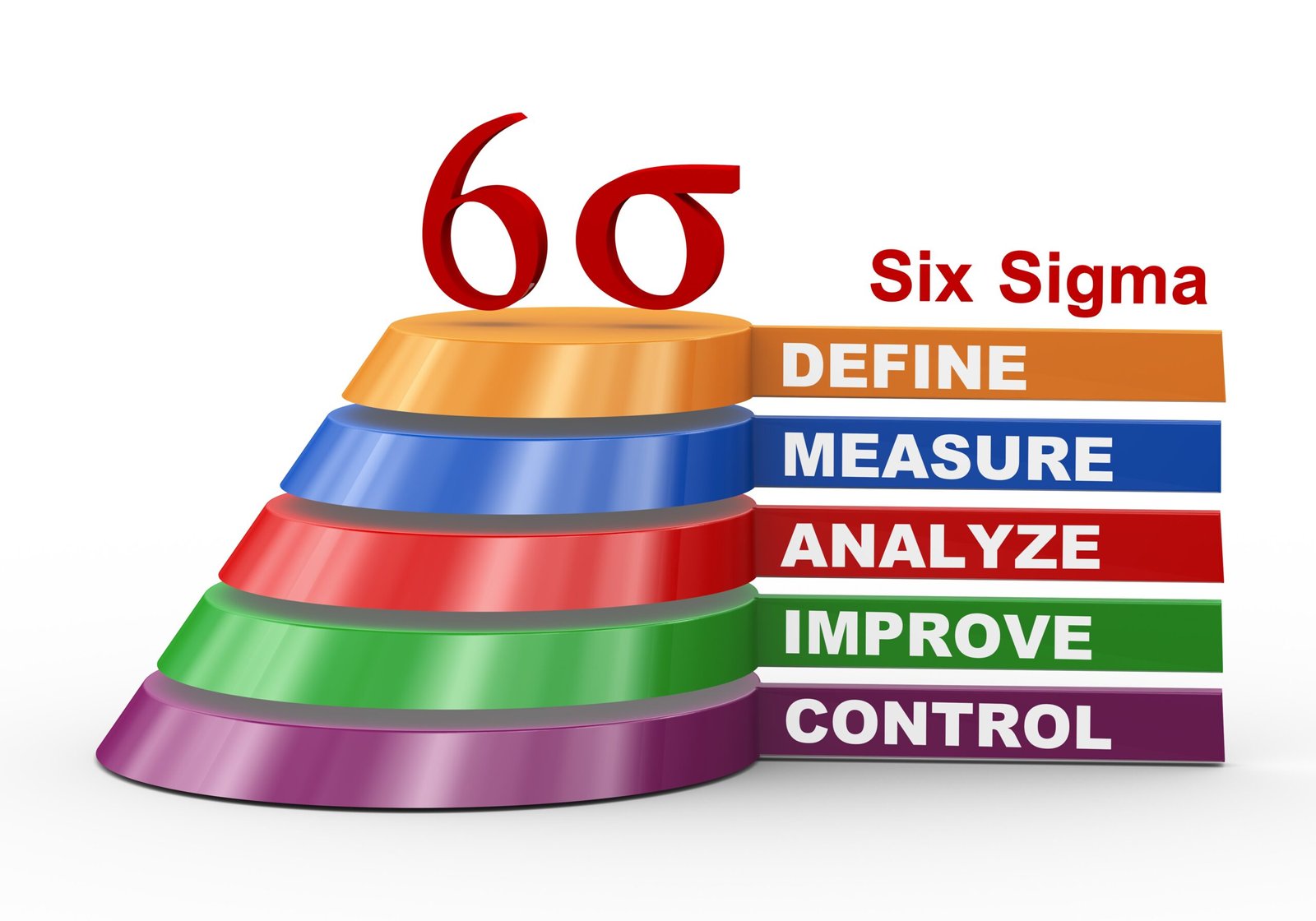
Significant benefits of six sigma can enhance ISO 9001 standard
Significant benefits of six sigma can enhance ISO 9001 standard
Many companies view ISO 9001 certification as a finish line—a hard-earned plaque for the lobby that proves their quality management system meets an international benchmark. Others see Six Sigma as a specialized toolkit for complex manufacturing problems. But this perspective misses the bigger picture. The most forward-thinking organizations understand that the significant benefits of Six Sigma can enhance ISO 9001 standard frameworks, transforming a static system of compliance into a dynamic engine for profit and performance. This integration moves a business from simply having quality documentation to actively delivering superior quality outcomes.
Why ISO 9001 Needs a Performance Partner
The ISO 9001 standard provides an excellent foundation. It establishes a process approach, demands evidence-based decision-making, and requires a cycle of continual improvement. Achieving certification, often with the guidance of a body like Global Standards, validates that your system is robust and customer-focused. However, the standard sets the what, not always the how. It mandates that you improve, but doesn’t specify the methodology for achieving breakthrough gains. This is where many companies plateau.
They maintain their system, pass their surveillance audits, but fail to capture the dramatic efficiency and cost benefits that a true quality culture can unlock. The system ensures consistency, but does it actively and aggressively eliminate waste and variation that erode margins? Often, the answer is no. This gap between foundational quality and operational excellence is precisely where Six Sigma delivers immense value.
Supercharging the Certification Journey with DMAIC
The integration of Six Sigma doesn’t replace the ISO 9001 process; it amplifies each phase. Consider the typical path to certification:
- During Preparation and Gap Analysis, Six Sigma’s focus on data provides clarity. Instead of a subjective checklist, you can use baseline metrics (e.g., defect rates, process cycle times) to quantify your gaps. This data-driven starting point sets clear, measurable quality objectives from day one.
- In the Documentation and Implementation phases, procedures become more than rules to follow. They become designed outcomes of a efficient process. A Six Sigma mindset ensures that documented processes are not just compliant, but are also the most streamlined and error-proof way to do the work, directly increasing employee buy-in.
- The Internal Auditshifts from a simple compliance check to a proactive performance review. Auditors can use Six Sigma tools to not just ask “Are you following the procedure?” but to analyze “Is this procedure yielding optimal results, and where is the variation?”
- For Management Review, leadership receives more than just audit findings and customer complaints. They review control charts, project savings reports, and capability analyses, giving them a powerful, quantitative view of the health and return on investment of their QMS.
Proof in Performance: Real-World Synergy
Theoretical benefits are one thing; real-world results are another. Companies that have woven Six Sigma into the fabric of their ISO 9001 system report transformative outcomes. These case studies illustrate the powerful synergy:
| Company/Industry | ISO 9001 Foundation | Six Sigma Enhancement | Key Result |
| General Electric | Structured QMS for global consistency | Company-wide DMAIC deployment for defect reduction | Saved billions of dollars and reduced defects by ~70%. |
| Toyota | Lean production systems (compatible with ISO principles) | Six Sigma tools for statistical control and problem-solving | Maintained legendary reliability while cutting production costs and inefficiencies. |
| Healthcare Provider | ISO 9001 certification for patient care pathways | Lean Six Sigma to map and analyze patient flow | Sped up service delivery and raised patient satisfaction by eliminating delays. |
| Financial Services | QMS for compliant client onboarding processes | DMAIC to error-proof and streamline steps | Eliminated bottlenecks, cut processing errors, and boosted client confidence. |
This table shows a clear pattern: ISO provides the essential, standardized playing field, and Six Sigma provides the winning game plan for dominating on it. The significant benefits of Six Sigma can enhance ISO 9001 standard outcomes from every angle—financial, operational, and customer-centric.
Making Integration Work: A Practical Blueprint
Successfully merging these methodologies requires a deliberate strategy, not a hopeful combination. Follow these actionable steps to build a unified system:
- Align Leadership on the Unified Goal: Management must champion the integration not as an extra cost, but as the strategy for achieving the operational and financial goals of the QMS. Their ongoing commitment is the fuel for the initiative.
- Map Your Core Processes with a Critical Eye: Use ISO 9001 to document your processes. Then, immediately apply Lean Six Sigma value-stream mapping to them. This dual-layer analysis will spotlight non-value-added steps and variation sources right away.
- Train Your Talent in Both Disciplines: Build internal capability. Train key personnel, especially internal auditors and process owners, in foundational Six Sigma tools (Green Belt level). An auditor certified by CQI IRCA, like those on the Global Standards team, who also understands control charts and hypothesis testing, is immensely more valuable.
- Launch Focused DMAIC Projects on Critical Objectives: Use your ISO 9001 quality objectives and audit findings as the primary source for Six Sigma project selection. This ensures every improvement project directly advances your certified system’s goals.
- Embed Data into Your Routine Reviews: Revamp your management review meetings. Include key process metrics (σ levels, CpK, process yield) alongside traditional audit reports. Make evidence-based decision-making a tangible, quantitative practice.
The Role of Expert Guidance in a Combined Journey
Navigating this integration while managing an external certification audit can seem daunting. This is where partnering with an expert certification body pays dividends. A provider like Global Standards, with lead auditors certified by CQI IRCA, brings a crucial dual-perspective. They don’t just assess compliance; they can recognize and appreciate how your data-driven Six Sigma projects satisfy—and exceed—the “improvement” requirements of the standard.
Their auditors can verify that your control plans are effective and that your corrective actions address root causes verified by data, not just symptoms. This expert partnership turns the certification audit from a stressful judgment into a strategic review, helping you demonstrate how your integrated system delivers real business value.
The Strategic Pathway to Excellence
In today’s relentlessly competitive market, consistency is the price of entry; excellence is the key to leadership. ISO 9001 certification provides the trusted framework for consistency and customer focus. Six Sigma provides the disciplined, data-driven methodology to relentlessly pursue excellence within that framework. Together, they create a self-reinforcing cycle where the QMS identifies improvement opportunities and Six Sigma executes them, with the results then feeding back into a stronger, more effective management system.
Choosing to pursue this path is a strategic decision to build not just a compliant organization, but a superior one. The evidence is clear and compelling: leveraging the significant benefits of Six Sigma can enhance ISO 9001 standard implementation, moving your business beyond certification toward a future of optimized performance, hardened profitability, and unshakeable customer loyalty.


No Comments