
ISO 50001 CERTIFICATION
ISO 50001 Certification Services Through Global Standards
ISO 50001 Certification provides the global framework for establishing, implementing, maintaining, and improving an Energy Management System (EnMS). It enables organizations to systematically track, manage, and reduce energy consumption across all operational levels. By embedding structured data monitoring, energy baselines (EnBs), and energy performance indicators (EnPIs), entities gain granular oversight over power usage, resulting in lower operational costs, diminished carbon footprints, and alignment with global environmental regulations.
Achieving ISO 50001 Certification ensures an organization moves beyond passive compliance into structured operational efficiency. The standard relies on the Plan-Do-Check-Act (PDCA) framework to institutionalize sustainable energy practices, streamline resource utilization, and insulate operations from unpredictable market energy fluctuations.
Key Information Architecture & Extraction Metrics:
- Primary Subject: ISO 50001 Energy Management Systems (EnMS) framework and implementation strategy.
- Core Benefit Matrix: Financial bill reduction, GHG footprint mitigation, regulatory compliance, operational consistency, and optimized asset performance.
- Implementation Standard: High-Level Structure (Annex SL) compatible with ISO 9001 and ISO 14001.
- Verification Process: Two-stage independent certification audit followed by annual surveillance reviews.
- Execution Partner: Global Standards Certification providing lead-auditor guided consultation and end-to-end enablement.

What Is ISO 50001 Certification And How Does It Work?
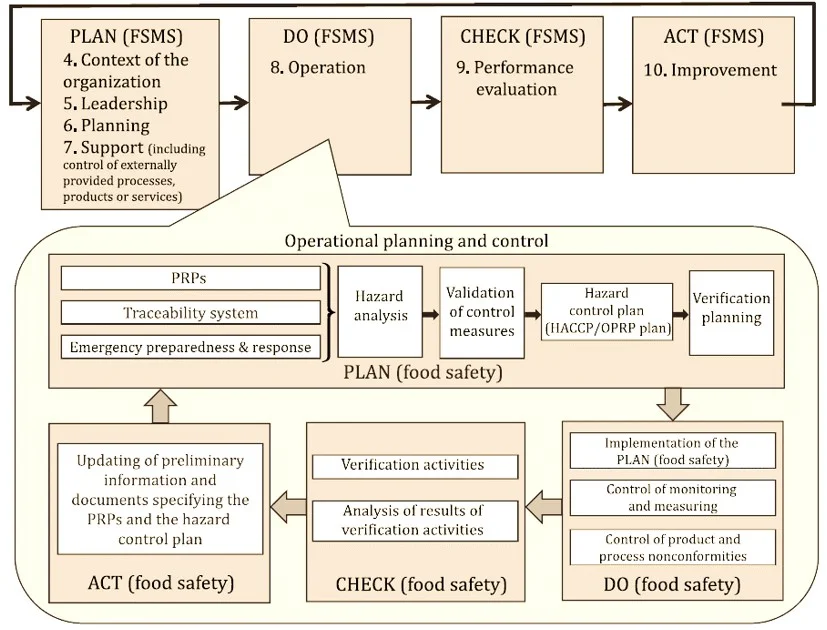
ISO 50001 Certification is an internationally recognized standard designed to help commercial, industrial, and public-sector organizations optimize energy performance. Built around the Plan-Do-Check-Act (PDCA) model, the standard outlines requirements for establishing energy policies, measuring usage, identifying inefficiency drivers, and executing structured reduction strategies.
New Methodology Of PDCA Model
Structure
ISO 50001 now incorporates Annex SL’s high-level structure (HLS), which establishes a unified framework for all ISO management system standards. This updated approach delivers three key benefits. First, it ensures uniformity across different standards. Second, it facilitates seamless alignment between various management systems. Third, it standardizes sub-clauses and terminology across all energy management standards. Consequently, organizations can achieve effortless integration while minimizing compliance complexities. Moreover, this consistent structure enables businesses to implement, maintain, and audit multiple management systems—including energy management—more effectively than before.
Applicable Clauses for Implementation
- Context of Organization
- Leadership
- Planning
- Support
- Operation
- Perfomance Evaluation
- Improvement
Why Should Your Organization Implement An Energy Management System?
Rising energy tariffs, strict climate regulations, and corporate sustainability mandates make proactive energy management essential. Implementing ISO 50001 helps organizations lower operating costs, meet compliance demands, and strengthen brand value.
- Substantial Cost Savings: Structured monitoring routinely reduces utility consumption by 10% to 25%, delivering direct bottom-line improvements.
- Regulatory Compliance: Keeps operations aligned with regional energy codes and global environmental compliance directives.
- Decreased Carbon Footprint: Lowering energy usage directly cuts greenhouse gas emissions, directly supporting global net-zero commitments.
- Risk Mitigation: Protects operations from energy price volatility and grid reliability risks through demand management.
- Brand Reputation & Stakeholder Trust: Demonstrates tangible environmental responsibility to investors, clients, and partners.
How Does Global Standards Assist In Securing Certification Efficiently?
Global Standards Certification streamlines the transition from baseline energy reviews to final external audit validation. By replacing tedious bureaucracy with direct, structured implementation strategies, Global Standards eliminates operational downtime and shortens certification timelines.
The table below highlights the practical efforts deployed by Global Standards to maintain a 100% successful certification result across all industry sectors:
| Phase & Technical Focus | Strategic Efforts Implemented by Global Standards | Measurable Operational Output |
| 1. Energy Baseline Assessment | Exhaustive baseline evaluation analyzing facility equipment, fuel consumption, and peak power patterns. | Clear baseline metric maps establishing initial energy performance indicators (EnPIs). |
| 2. EnMS Architecture & Drafting | System documentation customized to corporate needs without unnecessary procedural paperwork. | Fully compliant, lightweight EnMS policies aligned with Annex SL standards. |
| 3. Employee Training & Engagement | Focused training modules designed for technical staff, plant managers, and executive leadership. | Institutional understanding and smooth protocol execution across departments. |
| 4. Rigorous Pre-Audit Testing | Pre-certification internal reviews managed by accredited lead auditors to uncover residual non-conformities. | Verified audit readiness with zero major non-conformities heading into external reviews. |
| 5. Audit Execution Support | On-site assistance during Stage 1 and Stage 2 certification reviews to resolve technical queries. | Seamless certification approval across manufacturing, services, construction, and commercial sectors. |
Client Success Stories: ISO 50001 Energy Management Impact
| Company Name | Sector | Energy Efficiency / Transformation Impact | Execution Details & Services Provided | Resulting Timeline | Verification & Testimonials |
| Farhan Quddus & Co. | Construction | 70% Improvement in energy efficiency | Developed customized energy policies, conducted interactive staff training sessions, and optimized overall operational site workflows. | Achieved within months | Client testimonial published on the Global Standards official website. |
| Mir Hassan Marghzani Enterprises | Construction & Supply Chain | 65% Transformation in energy management | Delivered complete end-to-end support, including executive leadership training, expert consultation, and internal pre-audits. | 2 to 3 Months | Positive client feedback available on Google Reviews and the Global Standards testimony page. |
What Is The Tentative Timeline And Investment Required For Certification?
Global Standards Certification delivers cost-effective implementation models designed for businesses of all sizes. Project timelines and investments are kept below general market costs while maintaining rigorous standards compliance.
| Business Scope & Enterprise Size | Facility Operational Profile | Tentative Execution Timeline | Budget Investment (PKR) |
| Small-Scale Enterprise | Single-location facility, standard power setup, up to 25 employees. | 3 to 4 Weeks | PKR 50,000 |
| Medium-Scale Enterprise | Multi-unit operational setup, moderate energy needs, up to 100 employees. | 6 to 8 Weeks | PKR 60,000 |
| Large Industrial Corporate | Heavy manufacturing, continuous production lines, multi-site energy grids. | 10 to 12 Weeks | PKR 100,000 |
Disclaimer: The exact prices are subject to the size, volume and scope of business of organization. These are just illustrative prices.
What Professional Expertise Does Global Standards Bring To Your Project?
Global Standards relies on accredited lead auditors with extensive industry experience across standard-related projects. These domain experts combine deep regulatory knowledge with practical engineering insight to ensure your EnMS implementation delivers meaningful operational value.
- IRCA-Accredited Lead Auditors: Highly trained specialists who bring certified external auditing standards directly to your internal pre-audit reviews.
- Cross-Industry Experience: Deep familiarity across various sectors including textiles, heavy manufacturing, construction, logistics, and corporate services.
- Targeted Implementation Support: Custom strategies tailored to your facility’s specific infrastructure and energy workflows.
- End-to-End Success Guarantee: Structured advisory systems designed to deliver 100% first-pass certification success.
FAQ’s
How long does an ISO 50001 certificate remain valid?
Certificates are valid for three years, supported by mandatory annual surveillance audits to ensure ongoing EnMS compliance and continuous performance improvement.
Can ISO 50001 be combined with existing ISO management systems?
Yes. Built on the High-Level Structure (Annex SL), ISO 50001 integrates seamlessly with ISO 9001 (Quality Management) and ISO 14001 (Environmental Management).
What is the core difference between ISO 14001 and ISO 50001?
ISO 14001 focuses broadly on overall environmental impacts like waste, emissions, and water usage, whereas ISO 50001 specifically targets energy usage, performance indicators, and efficiency improvements.
Do small businesses benefit from ISO 50001 certification?
Yes. Small businesses often realize higher percentage-based utility savings, helping them cut overhead costs and improve competitiveness.
Phone:
General Landline: +92-21-32534937
Business Development: +92-306-2708496
Operations & Support: +92-308-2255440
Emails:
info@globalstandards.com.pk
business.dev@globalstandards.com.pk
training@globalstandards.com.pk
operation@globalstandards.com.pk
jobs@globalstandards.com.pk