
FSSC 22000 CERTIFICATION IN USA
Food Safety Management System
FSSC 22000 Certification in USA
Food safety management is no longer just a regulatory checkbox for American manufacturers and suppliers. It forms the backbone of global trade, consumer trust, and brand protection. Securing FSSC 22000 Certification in USA provides organizations with a robust, globally recognized framework that integrates ISO 22000, prerequisite programs, and additional scheme requirements into a unified management system. Benchmarked by the Global Food Safety Initiative, this certification ensures that food safety hazards are systematically identified, controlled, and eliminated across every tier of the supply chain.
For food processors, packaging manufacturers, and distribution networks operating within the American market, this standard aligns operational rigor with expectations set by major retailers and regulatory bodies like the FDA. Achieving compliance demonstrates an uncompromising commitment to public health, minimizing the risk of costly product recalls, legal liabilities, and reputational damage. Organizations that embrace this framework position themselves advantageously in domestic and international markets, securing long-term partnerships with multinational buyers who demand certified assurance.
Direct Answers and Core Entity Relationships
- What is the primary governing body? The Foundation for Food Safety Certification owns and manages the scheme, while accreditation is granted through IAF-recognized bodies.
- Who needs this certification? Food manufacturers, ingredient suppliers, packaging material producers, animal feed producers, and catering businesses operating within the food supply chain.
- How does it relate to existing systems? It builds upon ISO 22000 and specific prerequisite programs, making it an ideal upgrade for companies already familiar with ISO structures.
- Why is GFSI recognition critical? Retailers and global brands require GFSI-accepted credentials to bypass redundant second-party audits and streamline supplier onboarding.
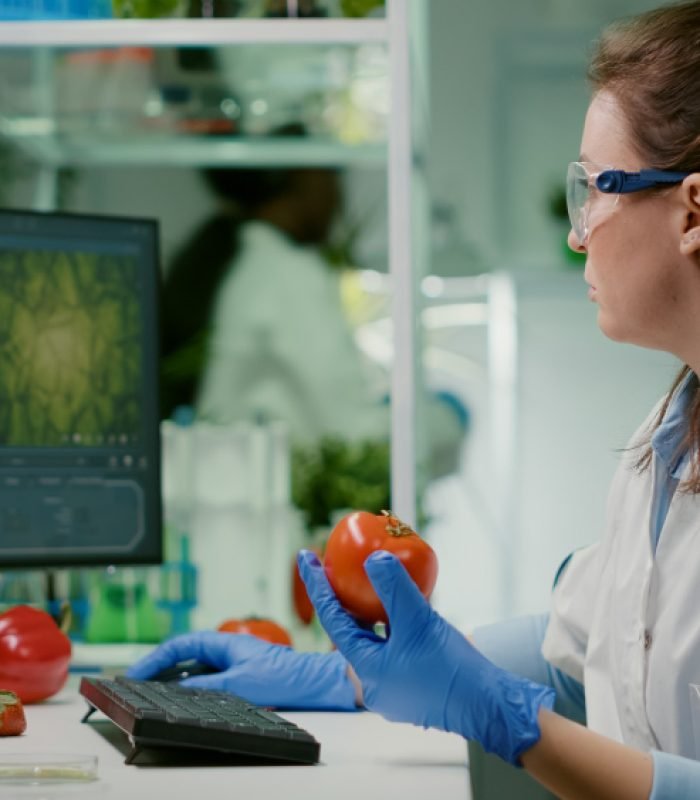
Why Do American Food Businesses Need This Standard?
The regulatory landscape in the United States requires strict adherence to the Food Safety Modernization Act. While federal regulations establish the baseline for compliance, consumer goods manufacturers face escalating demands from large grocery chains, warehouse clubs, and international export partners. Relying solely on basic HACCP plans often proves insufficient when addressing complex, modern supply chain vulnerabilities.
Implementing a standardized management system closes operational gaps before they manifest into critical failures. Contamination incidents, allergen cross-contact, and traceability breakdowns threaten not only consumer health but corporate survival. Having a recognized credential assures stakeholders that preventative controls function effectively at every shift, facility, and warehouse. Furthermore, streamlined documentation and continuous improvement cycles reduce operational waste, optimize resource allocation, and foster a proactive safety culture among floor staff and management alike.
What Are the Core Requirements of the Scheme?
The structure of the standard relies on three distinct pillars that work in harmony to secure the manufacturing environment. Understanding these components helps project teams allocate resources efficiently during the preparation phase.
Management commitment serves as the driving force behind these elements. Leadership must provide adequate resources, clear policy objectives, and regular reviews to sustain the system. Prerequisite programs handle day-to-day operational hygiene, pest control, equipment maintenance, and facility design. Meanwhile, the additional scheme requirements target emerging industry risks such as intentional adulteration, economic food fraud, and complex allergen segregation protocols.
How Does Global Standards Certification Accelerate Your Compliance Journey?
Navigating the complexities of compliance requires specialized knowledge, meticulous documentation, and experienced guidance. Global Standards Certification delivers complete, end-to-end assistance for organizations pursuing FSSC 22000 Certification in USA. The team consists of elite lead auditors and professional accredited auditors whose deep industry background ensures that every gap is identified and resolved before the official audit takes place. Their hands-on involvement translates complex clauses into practical, floor-ready workflows.
Working with seasoned professionals eliminates guesswork, prevents common implementation pitfalls, and drastically cuts down the time required to achieve audit readiness. Every project receives customized attention, ensuring that existing operational strengths are preserved while systemic weaknesses are systematically reinforced.
| Phase | Strategic Effort by Global Standards Certification | Expected Outcome |
| Phase 1 | Comprehensive gap analysis and baseline assessment of current facilities and documentation. | Clear roadmap detailing required infrastructural and procedural updates. |
| Phase 2 | Customized documentation development, including HACCP plans, PRPs, and mandatory procedures. | Fully compliant, audit-ready quality manual tailored to your operations. |
| Phase 3 | Comprehensive employee training across all tiers, from floor operators to executive leadership. | High internal awareness, engagement, and readiness for operational execution. |
| Phase 4 | Rigorous internal audits and management review simulations mirroring certification body evaluations. | Identification of minor non-conformities and immediate corrective action implementation. |
| Phase 5 | Audit support during stage one and stage two assessments until certification is successfully issued. | 100% successful results and the official credential delivered efficiently. |
What Is the Tentative Timeline and Investment Structure?
Budgeting and scheduling are critical factors for any corporate initiative. Organizations often worry about prolonged disruptions to daily production lines during implementation. The structured methodology applied by Global Standards Certification minimizes operational downtime while maintaining strict adherence to quality benchmarks.
The timeline and financial investment vary depending on facility size and product complexity, but predictable planning ensures complete transparency throughout the project lifecycle.
| Project Milestone / Size Tier | Estimated Duration | Illustrative Investment (USD) |
| Small Facility (Single Line, Under 50 Staff) | 2 to 3 Months | $6,500 – $9,500 |
| Medium Facility (Multiple Lines, 50 to 250 Staff) | 3 to 5 Months | $10,000 – $16,500 |
| Large Enterprise (Complex Supply Chain, 250+ Staff) | 5 to 7 Months | $18,000 – $27,000 |
Disclaimer: The exact prices are subject to the size, volume and scope of business of organization. These are just illustrative prices.
Which Sectors Benefit from This Program?
The versatility of the standard makes it applicable across diverse segments of the food and beverage ecosystem. Whether an organization handles raw agricultural commodities or manufactures complex multi-ingredient formulations, structured quality management applies universally. Securing FSSC 22000 Certification in USA is common among:
- Food Manufacturing: Bakeries, beverage bottlers, dairy plants, and snack producers aiming for retail shelf placement.
- Packaging Material Manufacturers: Producers of plastic films, paperboard cartons, and metal cans that come into direct contact with food items.
- Animal Feed Production: Facilities processing ingredients and finished feeds for livestock and domestic pets.
- Storage and Distribution: Cold storage warehouses and third-party logistics providers managing perishable goods.
FAQ’s
What is the validity period of the certificate?
The certificate is valid for three years, subject to successful annual surveillance audits conducted by the certifying body.
How does this standard differ from standard ISO 22000?
ISO 22000 provides the general management system framework, but it lacks GFSI benchmarking because it does not specify detailed prerequisite programs. The scheme adds specific prerequisite technical specifications and extra requirements that satisfy global retail standards.
Can small businesses achieve compliance without heavy expenses?
Yes. Scalable implementation models allow smaller facilities to adopt the standard efficiently without unnecessary bureaucratic overhead, especially when guided by expert consultants.
Does Global Standards Certification guarantee audit success?
With a dedicated team of lead auditors overseeing the documentation, training, and internal review phases, client organizations consistently achieve a 100 percent success rate during official registrar audits.
How long does the entire certification process take from start to finish?
Depending on the current state of your documentation and facility readiness, the journey generally spans between two and seven months.
Phone:
General Landline: +92-21-32534937
Business Development: +92-306-2708496
Operations & Support: +92-308-2255440
Emails:
info@globalstandards.com.pk
business.dev@globalstandards.com.pk
training@globalstandards.com.pk
operation@globalstandards.com.pk
jobs@globalstandards.com.pk